
Electrical Panel Upgrade in North Vancouver
Fully Licensed, Bonded & Insured
Permit and Inspection Included
We Handle BC Hydro Scheduling
Most Upgrades Done in One Day
Why So Many North Vancouver Homes Need More Power
A lot of housing on the North Shore was built when a family’s electrical load was a stove, a fridge, a water heater and some lights. Sixty amps covered it comfortably. Now the same house has a heat pump, an induction range, a hot tub, a car in the driveway that wants charging, and a suite downstairs.
That is the whole story behind most of the panel upgrades we do. Nothing is broken exactly, there is just no room left.
Greenvolt Electric upgrades electrical services and panels throughout North Vancouver and the North Shore. We pull the permit, file the service application with BC Hydro, schedule the disconnect and reconnect, do the work, and meet the inspector. You get one price in writing before any of it starts.
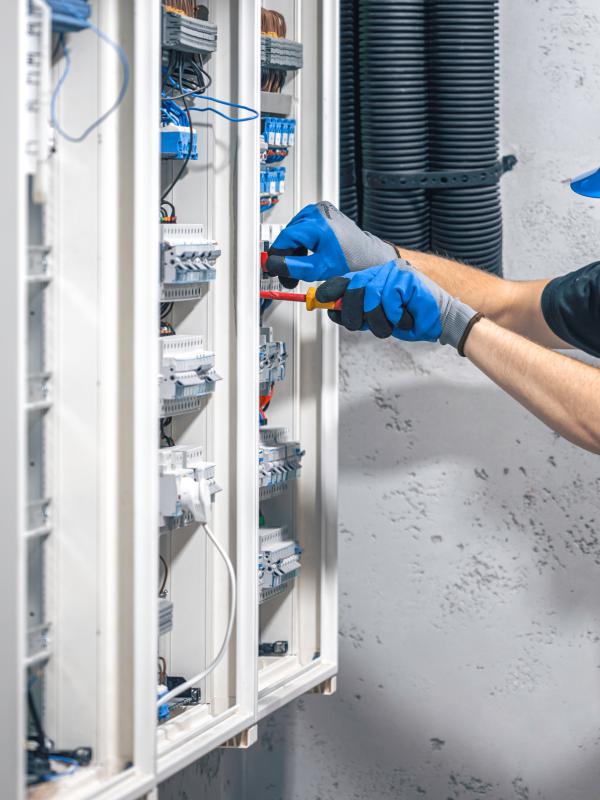
Signs Your Service Is Undersized
- Your main breaker is 60 or 100 amps and you are planning a heat pump, EV charger, hot tub or air conditioning
- Breakers trip when two large appliances run at once
- Lights dim noticeably when the dryer or the oven kicks on
- The panel is full and there is no space left for another breaker
- You still have a fuse box rather than breakers
- The panel is warm to the touch, or there is scorching or a burning smell around it
- Your insurer has asked about the age or size of your electrical service
- You are adding a secondary suite or a laneway house
If any of those sound familiar, send us a photo of the panel with the door open and we will tell you where you stand.
Panel Replacement or Service Upgrade? They Are Not the Same
The two terms are often used interchangeably, but they describe different electrical projects with different scopes and costs.
| Comparison | Panel Replacement | Service Upgrade |
|---|---|---|
| What Changes | The electrical panel and breakers are replaced, but the amperage supplied to the house remains the same. | The electrical capacity of the property is increased. This may require new service entrance conductors, a new meter base and new overhead or underground conductors. |
| When You Need It | The existing panel is obsolete, damaged, full or no longer suitable, but the property’s current amperage is still adequate. | The property genuinely requires more electrical capacity for equipment such as an EV charger, heat pump, electric appliances or a major renovation. |
| BC Hydro | Typically involves coordinating the disconnection and reconnection of the existing electrical service. | Requires a service application. In some cases, BC Hydro may also need to modify or upgrade the electrical supply feeding the property. |
| Cost | Generally the lower-cost option because the existing service capacity remains unchanged. | Usually more expensive and variable because the project may require additional equipment, utility coordination and service modifications. |
During the first visit, we determine which option your property actually needs. Many homeowners request a 200-amp service upgrade when a panel replacement can solve the problem at a considerably lower cost.
How the Day Works
1. Site visit and written quote
We look at the panel, the service entrance, the meter base and the route, then give you a fixed price that includes the permit.
2. Permit and BC Hydro application
We file the electrical permit under our contractor licence and submit the service application to BC Hydro. You do not deal with either.
3. Scheduling the disconnect
BC Hydro schedules a window to disconnect the power. We book our crew to that window and meet them on site.
4. Installation day
Power is off for most of the working day while the old equipment comes out and the new service goes in. You can stay in the house. Plan for no power rather than no access.
5. Inspection and reconnect
The installation is inspected, BC Hydro reconnects, and power is back on the same day in the large majority of jobs.
6. Labelling and handover
You get a panel schedule that actually matches the panel, plus your permit and inspection paperwork.
The Usual Reasons People Upgrade
- Adding an EV charger. The most common reason by a wide margin. Worth knowing that an upgrade is not always necessary, because a load management device can often let a charger share existing capacity. We cover that on the EV charger and load management page.
- Switching to a heat pump. Electrification adds real load, and a 60 or 100 amp service usually cannot absorb it.
- Insurance. Insurers in BC frequently flag older and undersized services, and some will not write a policy at all until it is dealt with. If your insurer has asked for documentation rather than an upgrade, an electrical inspection may be what you actually need.
- Renovating. A kitchen or basement renovation is the natural moment to sort out the service, since the walls are already open.
- Adding a suite. A secondary suite or laneway house changes the load calculation for the whole property.
- Selling the house. A fuse box or a 60 amp service shows up in every home inspection report and gets used in negotiations.
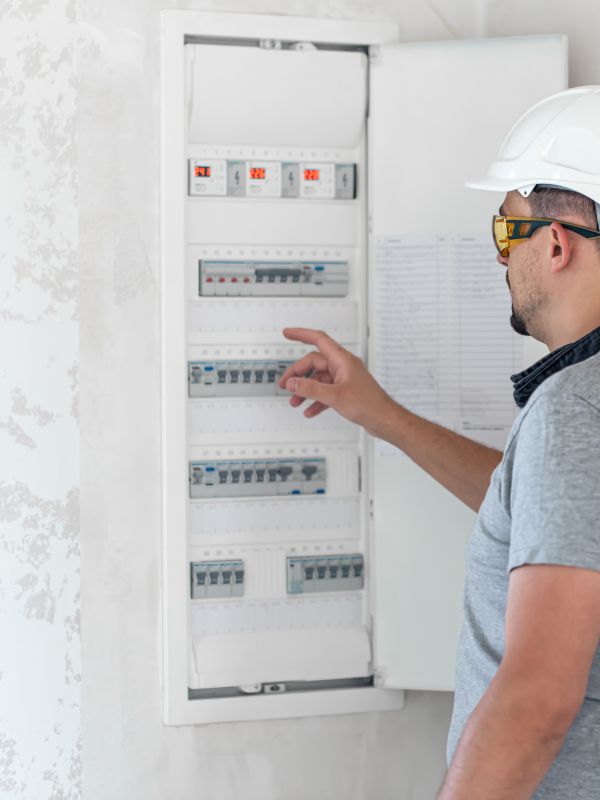
Commercial and Strata Service Upgrades
We also handle service upgrades for commercial buildings and strata properties, where the driver is usually added equipment, a change of use, or building wide EV charging capacity. These take more planning because the shutdown has to be coordinated with tenants or residents, and we schedule accordingly.
For ongoing work in business and strata buildings generally, see our commercial electrical page.
What Our Clients Say
Frequently Asked Questions
1. Is 100 amp service enough for my house?
For a smaller home without electric heat, often yes. It stops being enough once you add a heat pump, an EV charger, a hot tub or a suite. The honest answer comes from a load calculation, not a rule of thumb, and that takes us a few minutes.
2. How long will my power be off?
Most of the working day. The old service comes out, the new one goes in, it gets inspected, then BC Hydro reconnects. In the large majority of jobs power is back on the same day.
3. Can I stay in the house while you work?
Yes. You will not have power, but you are not in the way. Most people work from a cafe for the day or just plan around it.
4. Do you deal with BC Hydro, or do I have to?
We do. We file the service application, book the disconnect and reconnect window, and meet the BC Hydro crew on site. You are not making that phone call.
5. Do I need a permit for a panel upgrade in BC?
Yes, always. The permit is filed under our contractor licence and the inspection is coordinated by us. It is included in the price we quote.
6. Will upgrading my panel lower my insurance premium?
It often helps. Many insurers treat old fuse boxes and 60 amp services as elevated risk, and some will decline coverage outright. Whether your specific premium moves is between you and your insurer, but removing the thing they are objecting to generally makes the conversation easier.
7. Will a 200 amp panel increase my electricity bill?
No. You are billed for what you use, not for the capacity available to you. A larger service does not consume anything on its own.
8. What happens if you find something unexpected once the panel is open?
We stop and talk to you. If there are deteriorated conductors or aluminum branch wiring that needs attention, you get a separate price for it and you decide. It does not quietly appear on the final invoice.
9. Can you convert a fuse box to a breaker panel?
Yes, and it is a common job in older North Vancouver homes. It is usually paired with a service upgrade, because a house still on fuses typically has an original service entrance that is undersized for how the house is used now.
Send Us a Photo of Your Panel
Open the door, take one photo of the inside and one of the main breaker, and send it over. That is usually enough for us to tell you whether you need a replacement, a full service upgrade, or nothing at all yet.