
Electrical Safety & Insurance Inspections in North Vancouver
Fully Licensed & Insured Electrician
Written Report Your Insurer Accepts
Fast Booking for Subject Removal Deadlines
We Can Also Fix What We Find
When Your Insurer Wants an Electrical Inspection
Most people do not go looking for an electrical inspection. It arrives as a condition, usually from an insurer at renewal, or from a broker who says the policy cannot be written until an electrician has looked at the wiring.
That happens a lot on the North Shore, because so much of the housing here predates 1970. Knob and tube wiring, aluminum branch wiring, fuse panels and 60 amp services are all common in North Vancouver, and all of them make insurers ask questions.
Greenvolt Electric carries out electrical safety and insurance inspections throughout North Vancouver and the North Shore. We assess what is actually there, document it clearly, and give you a report and a licensed contractor’s letter you can hand straight to your insurer. If there are problems, we tell you what they are and what it would take to fix them, in plain language and with a price.
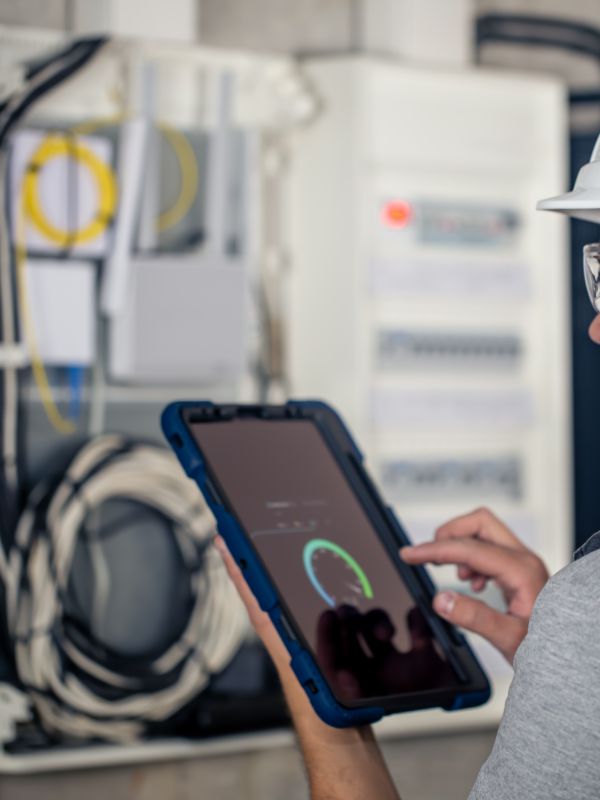
Buying a Home? Don't Let Wiring Kill the Deal.
If you are in a subject removal period on an older North Vancouver home, the electrical is not just a safety question. It is a financing question.
Lenders require the property to be insurable. If no insurer will cover a house because of knob and tube wiring or an undersized service, the mortgage can fall apart, and it tends to happen late, when you have days rather than weeks.
We prioritise inspections with a subject removal deadline. Call us, tell us your date, and we will tell you honestly whether we can get there in time. You will get a clear picture of what the wiring actually is, what an insurer is likely to say about it, and roughly what remediation would cost, so you can negotiate or walk with real numbers rather than guesses.
Why Insurers Ask for an Inspection
The request usually comes down to one of these:
- Knob and tube wiring. No ground conductor, and insulation added later can trap heat around it. Most insurers will not write a policy until it has been assessed, and many want it gone.
- Aluminum branch wiring. Common in homes built in the 1960s and 1970s. The wire itself is not the issue so much as the connections, which loosen over time through expansion and contraction.
- Fuse panels and 60 amp services. Insurers generally want to see at least 100 amps and a breaker panel.
- Federal Pioneer and similar panel types. Certain older panel brands have a reputation with underwriters, and their presence alone can trigger a request.
- Renovations with no permit history. If the house has clearly been worked on but there is no paperwork, an insurer wants someone qualified to confirm it was done properly.
- Added high demand equipment. An EV charger, hot tub or heat pump installed without permits raises questions about whether the service and circuits were sized for it.
- Unpermitted suites. A basement suite that was never inspected is a common trigger.
- A change of owner. New policy, new underwriting, new questions.
Before You Book: Ask Your Insurer What They Actually Need
This one question saves people a lot of time and money.
Insurers do not all want the same thing. Some want a general electrical condition report. Some have a specific form they need completed. Some want photographs, some want permit records, and some only want confirmation that particular deficiencies have been corrected.
Call your insurer or broker and ask exactly which document they require, then tell us. We will make sure what you get back is the thing they asked for, rather than something close to it that gets rejected.

Aluminum Wiring and Copper Pigtailing
Plenty of homes built in the 1960s and 1970s across the North Shore have aluminum branch wiring, and it is one of the most common reasons an insurer asks for an inspection.
The wire itself is generally not the danger. The problem is at the connections. Aluminum is softer than copper and expands and contracts more, so terminations gradually loosen, oxidise and heat up. That is where failures start.
The approved fix
The accepted remedy in BC is copper pigtailing. A short length of copper is joined to the aluminum with a connector rated for that purpose at every outlet, switch and fixture, so the actual termination is copper to device rather than aluminum to device.
Because it touches every device in the house, it is not a small job, but it costs considerably less than a full rewire and it is what insurers are generally looking for. The work requires an electrical permit and we handle that.
If you would rather remove aluminum entirely, a full rewire is covered under our residential electrical services.
What the Inspection Covers
Service and Metering
Service size, entrance conductors, meter base and overall capacity relative to how the property is used.
Panel and Breakers
Panel type and condition, overcrowding, double tapping, signs of overheating and any known problem equipment.
Visible Wiring
Accessible wiring in the attic, basement, crawl space and service areas, including identifying knob and tube or aluminum branch circuits.
Grounding and Bonding
Whether the system is properly grounded and bonded, which older homes frequently are not.
Device Testing
Sample testing of receptacles for polarity and grounding, plus GFCI operation in wet locations.
Smoke and CO Detectors
Presence, placement and operation of detectors throughout the property.
Signs of Unpermitted Work
Alterations, additions or suite wiring that appears to have been done outside the permit process.
Written Report and Letter
A documented summary of findings, a list of any corrective work needed, and a licensed contractor’s letter for your insurer.
Commercial and Strata Inspections
We also carry out electrical inspections for businesses and strata buildings, usually when an insurer, a lender or a new property manager needs documentation on the condition of the electrical system. For strata buildings this often overlaps with capacity planning, since the same assessment tells you what the building can support.
Ongoing electrical work for business and strata properties is covered on our commercial electrical page.
What Our Clients Say
Frequently Asked Questions
1. My insurer asked for an electrical inspection. What exactly do they need?
Ask them directly, because it varies. Some want a general condition report, others have a specific form, and some only want confirmation that named deficiencies were corrected. Tell us what they said and we will make sure you get that document.
2. Can I get home insurance with knob and tube wiring?
Sometimes, but it is harder and it depends on the insurer and on the condition of the wiring. Some will cover a home if a licensed electrician has assessed it and found no deficiencies. Others will not write a policy until it is removed. An inspection is what turns this from a guess into an answer.
3. What is pigtailing, and is it enough for my insurer?
Pigtailing means joining a short copper lead to the aluminum wire with an approved connector at every device, so the connection to the device is copper. It is the accepted remedy in BC and is generally what insurers are looking for, though we would still confirm with yours before starting.
4. I have a Federal Pioneer panel. Is that a problem?
It is worth having looked at. Certain older panel types have a poor reputation with underwriters, and some insurers flag them automatically. Whether yours needs replacing depends on its actual condition, which is what the inspection determines.
5. I am buying a house and my subject removal is in a few days. Can you come out?
Call us and tell us the date. We prioritise inspections with a purchase deadline, and if we cannot make your timeline we will say so straight away rather than leaving you waiting.
6. Does the report cover things you cannot see?
No, and we are explicit about that. The report separates what was observed and tested from what could not be accessed without opening walls. That distinction protects you as much as it protects us.
7. Do you fix the problems you find, or only report them?
Either. We quote any corrective work separately, and you are free to have someone else do it. The inspection is not a sales pitch with a report attached.
8. How long does an inspection take?
For a typical single family home, a few hours on site depending on size and access, with the written report following afterwards. Larger or multi unit properties take longer.
9. Will an inspection lower my premium?
It can, particularly if it clears up an assumption your insurer was making about the property. The bigger benefit is usually simply keeping or obtaining coverage at all. What your specific premium does is between you and your insurer.
Book Your Inspection
Tell us what your insurer asked for and when you need it by. If you are working to a subject removal date, say so when you call and we will tell you honestly whether we can make it.