
Smart Home Electrician in North Vancouver
Fully Licensed & Insured Electrician
Low Voltage & Line Voltage, Both Covered
Built for North Shore Weather
Free Design Visit & Quote
Outdoor Lighting Done by Electricians
Landscape lighting is one of the few upgrades that changes how a property feels the moment it gets dark, and on the North Shore it is dark a lot of the year.
Here is something worth knowing before you hire anyone. Most landscape lighting companies are low voltage contractors. They design and install the 12V system, and many of them do it beautifully. What they are not licensed to do is the 120V side, which means the outdoor GFCI circuit that feeds the transformer, any new circuit run from your panel, and the permit that goes with it.
In newer North Vancouver homes there is often already an exterior receptacle to plug a transformer into. In older homes, and there are a lot of them here, there usually is not. That is the point where a lighting company has to call an electrician anyway.
We are the electrician. We do the design, the fixtures, the transformer and the circuit that feeds it, as one job with one company responsible for all of it.
Low Voltage or Line Voltage? Most Landscape Lighting Projects Use Both
| Comparison | Low Voltage (12V) | Line Voltage (120V) |
|---|---|---|
| Used For | Path lights, tree uplights, garden accents, step lights and deck lighting. | Wall sconces, porch lights, floodlights, soffit downlights, garage lighting and driveway lighting. |
| How It Is Powered | A transformer reduces 120V power to 12V and supplies the landscape lighting fixtures. | The fixtures are wired directly to a dedicated or existing circuit in the electrical panel. |
| Who Can Install It | Qualified low-voltage installers and licensed electricians. | A licensed electrician is required for line-voltage wiring and connections. |
| Important Consideration | The transformer still requires a properly supplied and GFCI-protected 120V circuit. | The installation may require a new circuit, electrical permit and additional weatherproof protection. |
Many complete landscape lighting projects use both systems. Path lights and tree uplighting typically operate on 12V, while wall, garage and soffit fixtures use 120V. We coordinate the complete installation, including the circuits, transformer, protection and final connections.
What We Install Outside
Pathway and Walkway Lighting
Even, glare free light along paths and driveways so you can actually see where you are walking.
Step, Stair and Retaining Wall Lighting
On a sloped North Vancouver lot this is a safety feature first and a design feature second.
Tree Uplighting and Moonlighting
Uplighting mature trees, or mounting fixtures high in the canopy to cast dappled light down the way moonlight does.
Architectural and Facade Lighting
Grazing stone, washing walls and picking out the features that make the house look like itself at night.
Deck, Patio and Outdoor Living Areas
Lighting that makes the space usable after dark without floodlighting your neighbours.
Soffit and Exterior Wall Lighting
Line voltage downlights and wall fixtures, hardwired and switched or automated.
Entry and Address Lighting
Front door, house number and entry approach, the part of the property everyone sees first.
Outdoor Circuits, Receptacles and Transformers
The 120V work underneath all of it, including new GFCI protected exterior circuits.
Timers, Photocells and Controls
Lights that come on at dusk and off when you want, without you thinking about it.
Repairs to Existing Systems
Fixing systems that have stopped working, whoever installed them.
Looking for indoor lighting instead? Pot lights, fixtures and under cabinet lighting are covered on our lighting upgrade page. If you want your outdoor lighting tied into a wider smart system, see home automation.
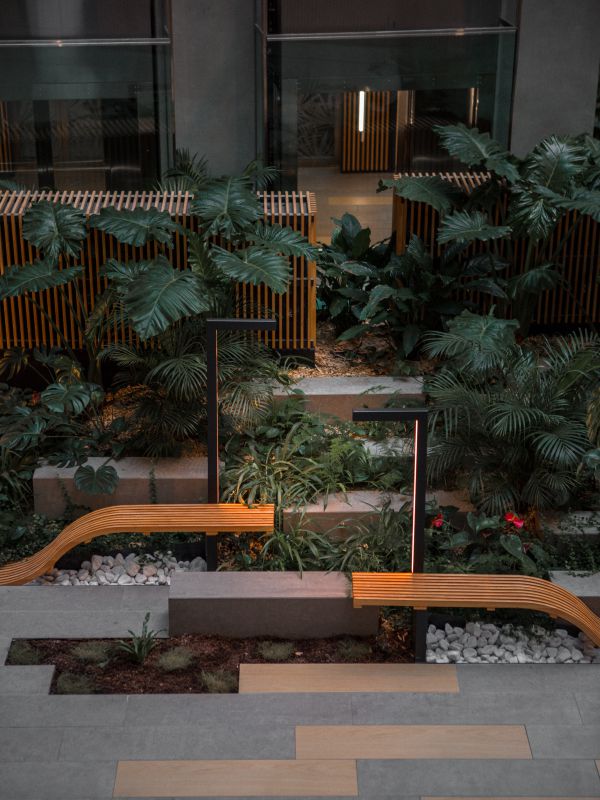
Built for North Shore Weather
The North Shore is one of the wettest places anyone lives in Canada. That matters more for outdoor lighting than almost anything else, because water is what kills these systems.
Most failed landscape lighting we get called out to did not fail because of the fixtures. It failed at the connections. A splice that was not properly sealed, a transformer mounted where water collects, cable buried too shallow and cut by a shovel, or a connection that slowly corroded through three winters of rain.
How we install so it lasts
- Weatherproof, wet location rated connections throughout, with no exposed splices
- Outdoor rated cable at proper burial depth, routed where it will not be hit by digging or aeration
- Transformers mounted in an accessible spot that stays dry, fed from a GFCI protected circuit
- Cable runs sized so the fixtures at the far end are as bright as the ones near the transformer
- Fixtures rated for coastal conditions rather than whatever was cheapest
Anyone can make a garden look good the week it is installed. The difference shows up in year three.
Sloped Lots, Stairs and Terraced Gardens
A lot of North Vancouver sits on a hill. That means exterior stairs, retaining walls, terraced beds and paths that change level, often between the street and the front door.
On a property like that, outdoor lighting stops being decorative. Unlit exterior stairs are the most common place people fall on their own property, and it happens most in winter when it is dark by four in the afternoon and the treads are wet.
We light stairs and level changes so the edge of every tread is visible without glare in your eyes as you come down. It is the part of a lighting plan people notice least and benefit from most.
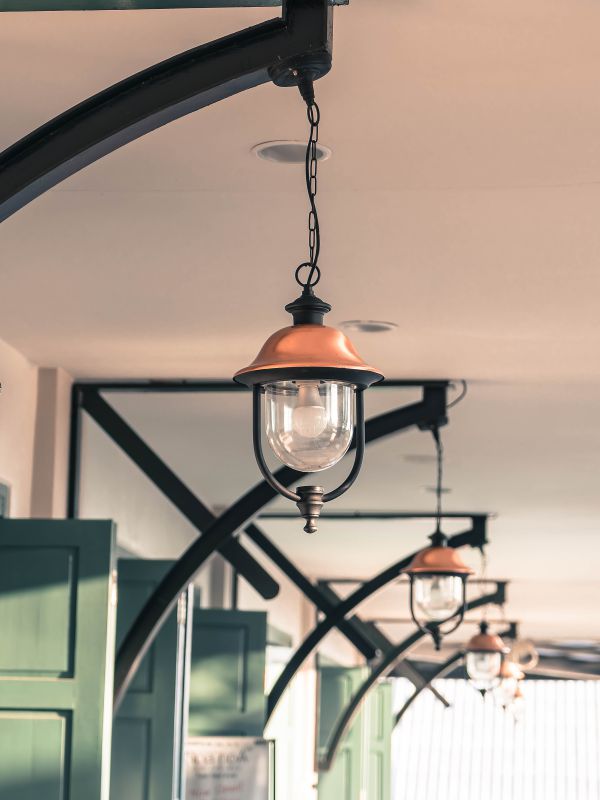
Landscape Lighting That Has Stopped Working
If half your garden lights are out, or the ones furthest from the transformer are dim and yellow, or the whole system died after a wet winter, it is usually fixable and usually cheaper than starting again.
The common causes are corroded connections, a failed transformer, cable damage from digging, or voltage drop from a run that was too long for the cable gauge used. We diagnose which one it is rather than quoting you a whole new system by default.
We repair systems regardless of who installed them or what brand they are.
What Our Clients Say
Frequently Asked Questions
1. Do I need a permit for landscape lighting?
Low voltage lighting on an existing exterior receptacle generally does not require one. The moment a new circuit is run from your panel, it does. We pull the permit when the job needs one and tell you upfront whether yours does.
2. Can you install fixtures I already bought?
Usually yes, and it is one of the most common calls we get. Send us a link or a photo before you buy if you can, because some kits sold online are not suited to our weather and some are not CSA approved.
3. What is the difference between low voltage and line voltage outdoor lighting?
Low voltage runs at 12V off a transformer and suits path lights, uplights and garden fixtures. Line voltage is 120V wired from your panel and suits wall fixtures, soffit lights and floodlights. Most projects use both, and only a licensed electrician can do the line voltage side.
4. Why are the lights furthest from the transformer dimmer?
That is voltage drop, and it means the cable run is too long for the gauge used or the transformer is undersized. It is a design problem rather than a fixture problem, and it is fixable.
5. Do I need a new outdoor circuit?
It depends on your house. Newer homes usually have an exterior GFCI receptacle that can feed a transformer. Older North Vancouver homes often do not, and a new circuit is part of the job. We check before quoting so it is not a surprise.
6. Will it survive our winters?
If it is installed properly, yes. Sealed weatherproof connections, correct burial depth and a transformer mounted somewhere dry are what determine that, far more than the fixtures themselves.
7. Can I control it from my phone?
Yes, though a simple timer or photocell is enough for most people and costs a lot less. If you want it as part of a wider connected system, we cover that on our home automation page.
8. Will you dig up my garden?
Cable gets buried, but we route carefully along bed edges and under mulch where we can, and we put everything back. On established gardens we plan the runs with you before cutting anything.
9. Can you repair a system another company installed?
Yes, whatever the brand. Most failures come down to connections, the transformer or cable damage, and diagnosing that is usually much cheaper than replacing the system.
See What Your Property Looks Like Lit
We will walk your property with you after dark, talk through what is worth lighting, and give you a written quote covering both the lighting and the electrical work behind it.